

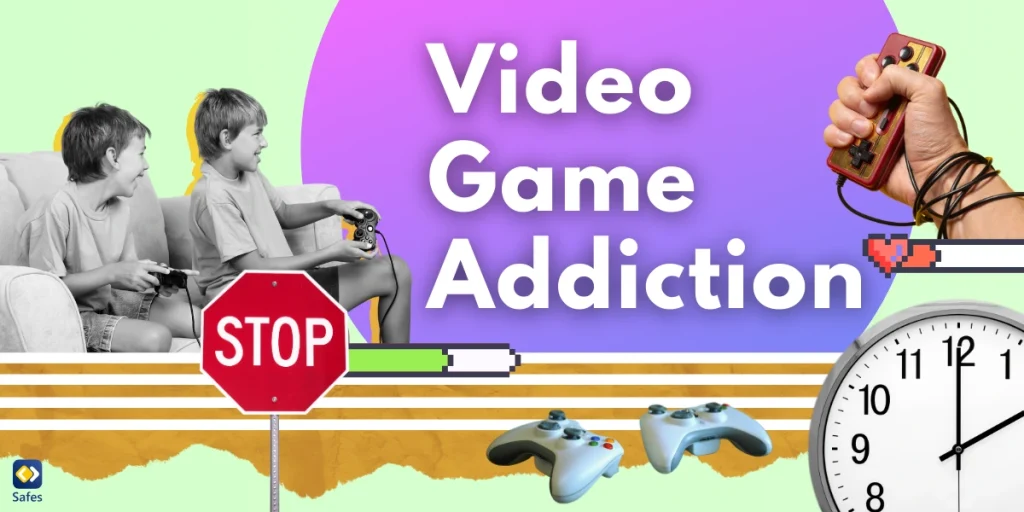
In the digital age, video games have evolved from a niche hobby into a dominant form of global entertainment, social interaction, and even professional sport. While gaming offers undeniable benefits such as improved hand-eye coordination, problem-solving skills, and virtual communities it also carries a potential dark side: addiction. Video game addiction, formally recognized as Internet Gaming Disorder by the World Health Organization, is a growing concern affecting individuals and families worldwide. It’s not merely about spending a lot of time playing; it’s about the compulsive pattern of behavior that begins to overshadow and impair real-life responsibilities, relationships, and mental well-being. This guide is a deep dive into understanding, confronting, and ultimately overcoming gaming addiction, providing a actionable roadmap for gamers and their loved ones toward a more balanced and fulfilling life.
Understanding the Grip: What Constitutes Gaming Addiction?
Before seeking solutions, it’s crucial to recognize the enemy. Gaming addiction isn’t defined by a specific number of hours played. A professional esports athlete may log 60 hours a week, but it’s a controlled, career-oriented activity. Conversely, a student playing 15 hours a week might be addicted if it causes them to fail classes, neglect hygiene, and lose friends.
The World Health Organization (WHO) includes Gaming Disorder in the International Classification of Diseases (ICD-11), characterizing it by a pattern of persistent or recurrent gaming behavior evidenced by:
A. Impaired Control: The individual has diminished control over gaming, including onset, frequency, intensity, duration, termination, and context.
B. Increasing Priority: Gaming takes precedence over other life interests and daily activities. Work, school, family, and even basic self-care become secondary.
C. Continuation Despite Consequences: The escalation of gaming occurs despite the occurrence of negative repercussions. This could be academic failure, job loss, relationship breakdowns, or health problems.
In addition to the WHO criteria, psychological manuals often point to behavioral patterns that signal a problem:
-
Preoccupation: Constant thinking about gaming, even when not playing, and planning the next gaming session.
-
Tolerance: The need to spend increasing amounts of time gaming to achieve the same level of excitement or satisfaction.
-
Withdrawal: Experiencing irritability, anxiety, sadness, or even physical symptoms when unable to play.
-
Loss of Interest: A marked disinterest in hobbies and activities that were once enjoyable, outside of gaming.
-
Deception: Lying to family members, friends, or therapists about the amount of time spent gaming.
-
Using Games as an Escape: Gaming is primarily used to escape or relieve negative moods, such as feelings of helplessness, guilt, or anxiety.
Understanding these signs is the first, critical step in acknowledging that a problem exists—a step that requires immense courage and self-honesty.
The Root Causes: Why Do We Get Hooked?
Games are not accidentally addictive; they are often meticulously designed to be so. To effectively combat addiction, we must understand the powerful psychological and neurological hooks that games employ.
A. The Neurological Cocktail: Dopamine and the Reward System
At its core, gaming expertly hijacks the brain’s dopamine reward system. Dopamine is a neurotransmitter associated with pleasure and motivation. Every time a player completes a quest, levels up, finds a rare item, or wins a match, the brain releases a small hit of dopamine. This creates a powerful feedback loop: the action (gaming) leads to a reward (dopamine release), which motivates repetition of the action. Over time, the brain adapts, requiring more frequent or more significant rewards to produce the same feeling, leading to longer and more intense gaming sessions—a classic hallmark of addiction.
B. Masterful Game Design Elements
Game developers utilize specific mechanics to encourage prolonged engagement:
-
Variable Ratio Reinforcement: This is the same principle used in slot machines. Rewards (like loot boxes or rare drops) are given at unpredictable intervals. The uncertainty of the “win” makes the behavior far more compulsive than a predictable reward.
-
The Endless Grind: Many games feature near-infinite progression systems, such as battle passes, daily quests, and leaderboards. There is always one more task to complete, creating a sense of unfinished business that compels the player to return.
-
Social Obligation and FOMO (Fear Of Missing Out): In Massively Multiplayer Online (MMO) games, players often join guilds or clans. Letting down teammates by not logging in for a raid or event can create genuine social pressure and anxiety.
-
Sunk Cost Fallacy: After investing hundreds of hours and sometimes significant money into a game account, the thought of quitting feels like a massive waste, trapping the player in a cycle they no longer even enjoy.
C. Underlying Psychological and Emotional Factors
For many, gaming is a symptom, not the cause. It often serves as a maladaptive coping mechanism for underlying issues, including:
-
Depression and Anxiety: The virtual world offers a safe, controllable escape from the stresses and sadness of real life.
-
ADHD: The constant stimulation and immediate feedback of games can be particularly appealing to individuals with ADHD.
-
Social Anxiety or Loneliness: Online games provide a structured social environment where interaction can feel easier and less intimidating than in person.
-
Low Self-Esteem: The measurable progression and achievements in games can provide a sense of competence and mastery that is lacking in other areas of life.
A Multi-Faceted Action Plan for Reclaiming Control
Overcoming gaming addiction is not about quitting cold turkey forever (unless necessary), but about restoring balance and intentionality. It is a journey of self-reclamation. The following structured plan provides a comprehensive approach.
A. The Foundation: Honest Self-Assessment and Acknowledgment
The journey of a thousand miles begins with a single step, and that step is acceptance. Denial is the fortress in which addiction thrives.
-
Conduct a Time Audit: For one week, track every minute spent gaming with unflinching honesty. Use a spreadsheet or a time-tracking app. The results are often a shocking revelation.
-
Identify Triggers: What emotions or situations drive you to game? Is it boredom after work? Stress from school? Social awkwardness? Keeping a simple journal can help identify these patterns.
-
List the Costs: Make a concrete list of what gaming has cost you. This could include failed grades, strained relationships, missed career opportunities, declining physical health, and financial expenses.
B. Implementing Practical and Effective Strategies
With awareness comes the power to change. Implement these strategies to build new, healthier habits.
-
Set Deliberate and Enforceable Boundaries:
-
Time Limits: Use timers and alarms. Allocate specific, limited time slots for gaming (e.g., “7 PM to 9 PM on weekdays”). There are apps like Cold Turkey Blocker or Freedom that can automatically shut down games or internet access after a set period.
-
Goal-Oriented Play: Shift from open-ended play to goal-oriented sessions. Instead of “I’ll play for a bit,” decide “I will complete this one story mission” or “I will play three ranked matches and then stop.” This creates a natural stopping point.
-
Create a “No-Game” Zone and Time: Do not allow gaming devices in the bedroom. Establish a digital curfew, such as no gaming two hours before bed, to improve sleep hygiene.
-
-
The Digital Environment Detox:
-
Uninstall Tempting Games: If a particular game is the source of the addiction, uninstalling it is a powerful physical and psychological act. You can reinstall it later if you achieve a stable balance.
-
Manage Notifications: Turn off all non-essential game notifications on your phone and computer. Out of sight, often leads to out of mind.
-
Curate Your Feeds: Unfollow game-related content on YouTube, Twitter, and Reddit. This reduces the constant reminders and triggers that can pull you back in.
-
-
Address the Void: Reconnecting with the Real World
Removing gaming creates a significant vacuum of time and mental energy. It is absolutely critical to fill this void with positive, rewarding alternatives.-
Rediscover Old Hobbies: What did you enjoy before gaming took over? Reading, drawing, playing a musical instrument, or sports? Re-engage with them.
-
Explore New Interests: Use the newfound time to learn a skill you’ve always been curious about—cooking, coding, a new language, or hiking.
-
Prioritize Physical Health: Exercise is a powerful antidote. It releases endorphins, improves mood, reduces stress, and rebuilds a positive relationship with your body. Start with daily walks and gradually increase intensity.
-
-
Strengthen Your Social Fabric:
-
Schedule Real-Life Social Time: Proactively make plans with friends and family. Go for coffee, see a movie, or simply have a conversation without a screen in between.
-
Join a Local Club or Group: Find a local sports team, book club, or volunteer organization. This builds a new social network that exists outside the digital realm.
-
C. Seeking External Support and Professional Help
There is no shame in seeking help. Addiction thrives in isolation and is defeated in community.
-
Therapy and Counseling: A therapist, particularly one specializing in Cognitive Behavioral Therapy (CBT) or addiction, can be invaluable. They can help you:
-
Identify and change the distorted thinking patterns that fuel addictive behavior.
-
Develop healthier coping mechanisms for stress, anxiety, and depression.
-
Work through underlying trauma or emotional pain.
-
-
Support Groups: Connecting with others who share your struggle can be incredibly empowering. Organizations like Online Gamers Anonymous (OLGA) offer a 12-step program and community support, providing a sense of solidarity and shared understanding.
A Guide for Parents and Loved Ones
Watching a child or partner succumb to gaming addiction is a painful and confusing experience. Your approach is critical.
A. Educate Yourself and Approach with Empathy, Not Anger: Learn about the nature of the addiction. Understand that it is not a simple issue of “laziness” or a “bad habit.” It is a complex behavioral disorder. Approach your loved one from a place of concern, not accusation. Use “I” statements: “I feel worried when I see you staying up all night gaming,” instead of “You are irresponsible and addicted.”
B. Establish Clear and Collaborative Boundaries: Work with the individual to create family rules around screen time. Involve them in the process to give them a sense of agency. These rules should be clear, consistent, and have predefined consequences.
C. Promote and Facilitate Alternatives: Don’t just take away the games; provide appealing alternatives. Plan family outings, encourage participation in sports or arts programs, and create game-free zones and times for the entire family to connect.
D. Seek Family Counseling: Addiction is often a family system issue. A family therapist can help improve communication, resolve underlying conflicts, and create a unified, supportive home environment for recovery.

The Goal: Achieving Sustainable Digital Wellness
The ultimate objective is not necessarily a life completely devoid of games, but a state of Digital Wellness a conscious and intentional relationship with technology where you are in control. It’s about moving from compulsive use to conscious choice.
You will know you are achieving balance when:
-
You can take a multi-day break from gaming without experiencing significant anxiety or withdrawal.
-
Gaming is one activity among many in a rich and varied life, not the central pillar of your identity.
-
You play for genuine enjoyment and connection, not as an automatic reflex to escape negative feelings.
-
Your real-world responsibilities and relationships are thriving.
Conclusion: Your Journey to Reclamation Begins Now
Overcoming gaming addiction is a challenging but profoundly rewarding journey. It is a path of self-discovery, resilience, and reconnection with the vibrant, multifaceted world beyond the screen. It requires brutal honesty, a structured plan, and often, the support of others. By understanding the psychological hooks, implementing practical strategies, filling the void with fulfilling activities, and seeking help when needed, you can break the cycle. Remember, every minute you choose to engage with the real world is a victory. Every conversation had, every walk taken, every old hobby revisited, is a step toward reclaiming your time, your focus, and your life. The controller is in your hands. It’s time to press start on your own recovery.


