
Table of contents
The world of travel marketing is undergoing a seismic shift. For decades, the industry relied on a familiar formula: breathtaking posters, cinematic television commercials, and glowing endorsements from travel influencers. These traditional methods, while effective for previous generations, are losing their grip on the future of travel: Generation Alpha and Gen Z. These digital natives don’t just consume content; they live in it. They don’t just visit websites; they inhabit virtual worlds. Recognizing this, a powerful new trend has emerged that blends the lines between entertainment, marketing, and destination branding: the rise of the viral Roblox tourism game.
Roblox, a global online platform boasting over 150 million daily active users and 340 million monthly active users , has become the unlikely frontier for national tourism boards and city councils. By creating immersive, interactive experiences within its digital ecosystem, these entities are not just advertising a destination; they are allowing potential travelers to experience it, build it, and connect with its culture before they ever book a flight. This deep dive explores this viral phenomenon, examining the strategies, successes, and future of tourism marketing through the lens of the world’s most popular gaming platform for young people.
The New Frontier of Destination Marketing
A. The Shift from Viewing to Experiencing
Traditional tourism marketing is largely passive. A potential tourist watches a video or looks at a picture and imagines themselves there. Roblox tourism, however, transforms this dynamic into an active, participatory experience. Instead of simply seeing a landmark, players can walk through a digital replica, complete quests tied to local culture, and even build their own virtual representations of the destination.
The core objective of these initiatives is to reposition tourism promotion through immersive gameplay . This approach helps global users experience an island’s or city’s culture, landmarks, and lifestyle firsthand, creating a powerful emotional connection that static advertisements often fail to achieve.
B. Capturing the Under-25 Demographic
One of the primary drivers behind this shift is the need to reach audiences under the age of 25, a demographic that is notoriously difficult to engage through traditional channels . These younger generations are spending an increasing amount of their leisure time on platforms like Roblox, making it the perfect venue to sow the seeds of future travel aspirations.
As experts in the field have noted, the goal is not just to create a fun game, but to serve as a “digital gateway” to the destination, turning virtual engagement into real-world tourism interest among a younger, more globally-minded audience .
Case Studies of Viral Successes
The theory is solid, but the proof is in the execution. Several destinations have already launched successful Roblox tourism experiences, providing valuable case studies on what works and what doesn’t.
Case Study 1: “Discover Ceylon” – Sri Lanka’s Strategic Digital Leap
Perhaps the most comprehensive example of a nation-state leveraging Roblox for tourism is Sri Lanka’s “Discover Ceylon,” developed by Sea Pony Studios in collaboration with the Sri Lanka Tourism Development Authority (SLTDA) .
- Investment and Vision: Sea Pony Studios has invested approximately Rs. 35 million (LKR) into the project, positioning it not just as a game but as a serious digital tourism initiative . The project’s first priority is to establish itself as a successful virtual tourism experience for Sri Lanka before potentially expanding this model to other countries .
- Initial Success: The game’s pilot in January 2026 was a resounding success, attracting more than 55,000 players and generating over 5 million impressions within two weeks. Critically, it recorded a 72 percent seven-day retention rate, a key metric indicating that players were not just trying the game, but were genuinely engaged and returning for more .
- Virtual Exploration: “Discover Ceylon” allows users to explore digital recreations of major destinations like Colombo, Kandy, Ella, Negombo, and the southern coastline . Players can interact with virtual versions of landmarks such as the Lotus Tower and Independence Square, experience local transport, and even visit roadside food stalls, providing a rich tapestry of cultural experiences .
- Monetization and Partnerships: The game is built on a multi-stage monetization model. The first stage involves the player economy, with optional in-game purchases for cosmetics and digital items. The second stage focuses on tourism and brand collaboration, inviting hotels, airlines, and travel companies to establish a presence within the virtual environment . This could include sponsored quests, branded mini-games, and virtual billboards, creating a sustainable ecosystem where both the developer and local businesses benefit. The third stage involves platform expansion through “Sea Deck,” a proprietary brand engagement and analytics platform designed to measure campaign performance and player interaction for partners .
Case Study 2: “Benidorm Fun Town Tycoon” – A European First
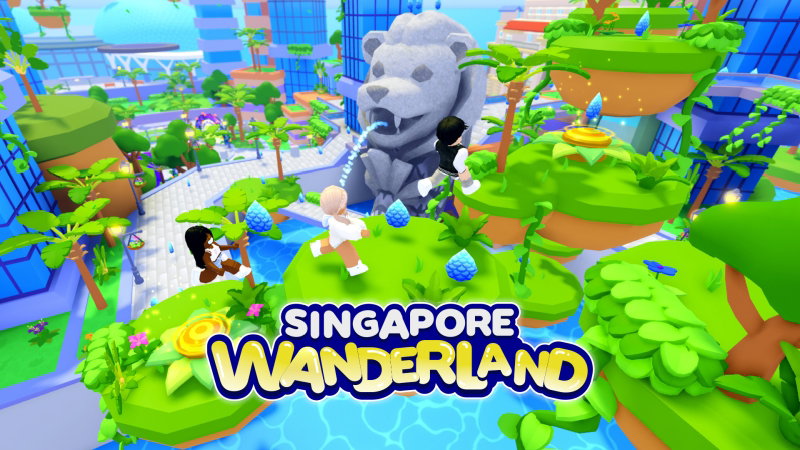
Spain’s famous coastal city, Benidorm, has also made a significant splash by becoming the first European destination and the third city in the world (after Tokyo and Singapore) to have a stable presence on Roblox .
- Gameplay Mechanics: “Benidorm Fun Town Tycoon” adopts the popular “Tycoon” format on Roblox, tasking players with building “the most fun skyscraper in the world.” Starting with a “magic seed,” players must unlock up to 500 construction buttons to build a fantastic tower complete with theme parks, gastronomic zones, and spaces inspired by real-world Benidorm icons like the Intempo Tower .
- Bridging Virtual and Real: Crucially, the gameplay encourages players to go beyond their virtual building. To complete missions, players must explore a virtual city that recreates real Benidorm landmarks like Poniente Beach, Tossal de la Cala, and the old town . This encourages players to associate their in-game achievements with real-world locations.
- Sustainability as a Core Theme: Reflecting modern values, sustainability is built into the game’s mechanics. Players earn the game’s internal currency by recycling waste or completing sustainable mobility circuits, subtly teaching responsible tourism practices .
- Authenticity and Hosting: The game features a digital host named “Captain Pedro Z,” a character inspired by the visionary former mayor Pedro Zaragoza Orts, who is credited with designing the modern Benidorm. This personal touch adds a layer of authenticity and grounds the virtual experience in the city’s real history .
Case Study 3: The Viral Phenomenon of User-Generated Content
Beyond official tourism board campaigns, Roblox also showcases organic, viral tourism of a different sort. A prime example is the sudden emergence of a replica of former Indonesian President Joko Widodo’s private residence in Solo on a Roblox server .
- Digital Memeification: The building, already a viral sensation on Google Maps, became a popular destination within Roblox. Players would visit the “Tembok Ratapan Solo” (Solo Wailing Wall) to engage in various creative scenarios, from pretending to cry at the wall to making humorous political and social commentary .
- The Power of the Platform: This case underscores the unpredictable nature of virality on Roblox. It wasn’t a coordinated marketing effort but a spontaneous creation by users that became a popular cultural touchstone within the platform’s ecosystem. It proves that Roblox has become a new arena for social and political expression, where even a digital recreation of a building can become a major attraction.
Key Ingredients for a Viral Tourism Game
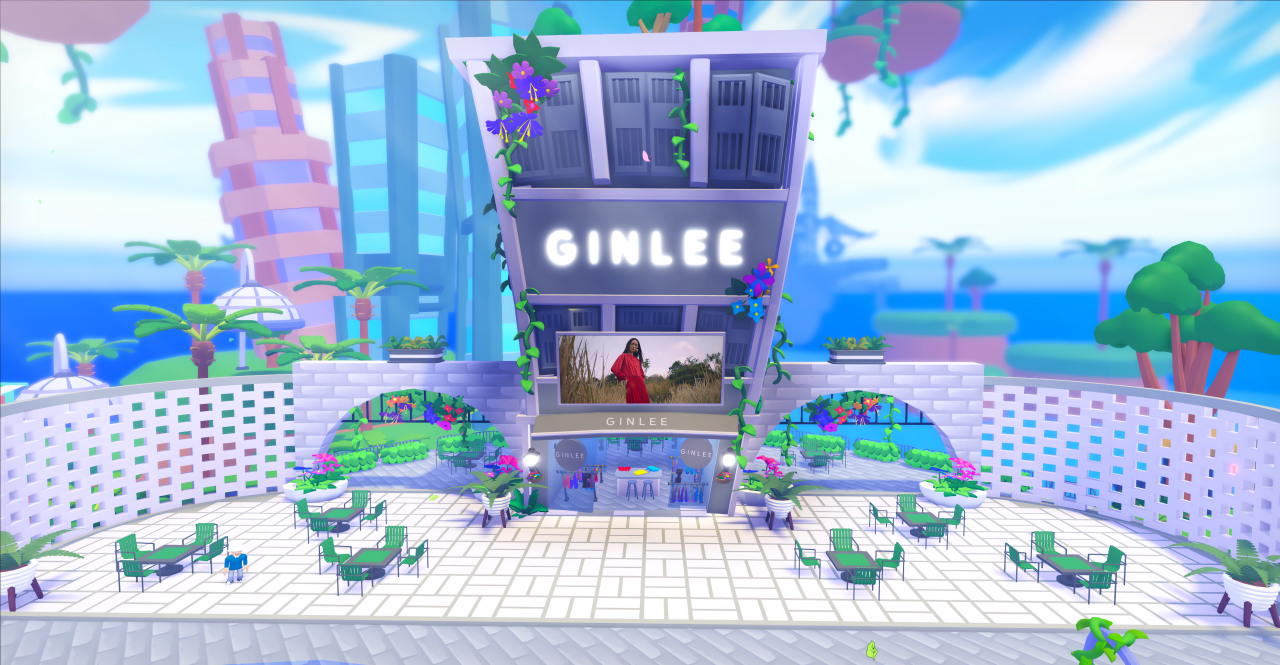
Based on the success of the above examples and insights from Roblox developers, certain key elements are crucial for a tourism game to go viral and retain its player base.
A. Strong, Visceral Core Gameplay
A successful game must be fun first and a marketing tool second. Roblox developers emphasize that the most successful games often start with a “Visceral Core,” a pure, sensory, and instinctual form of fun . This could be the thrill of building, the satisfaction of completing a quest, or the simple joy of exploration.
Case in point: The “Tycoon” format used by Benidorm and the scavenger-hunt mechanics of campaigns like Riyadh Season are based on well-understood and popular gameplay loops within the Roblox ecosystem . Without a solid gameplay foundation, players will leave and the marketing message will be lost.
B. High-Quality Visuals and Immersion
First impressions are everything on Roblox. In a platform where players are constantly bombarded with options, a game needs to immediately capture their attention with high-quality visuals and an immersive environment. Games that have “good UI,” compelling thumbnails, and stunning graphics are far more likely to attract users . As one commentary noted, visually poor or buggy games simply won’t be able to compete for a player’s time .
C. Retention-Focused Design and Rewards
Getting a player in the door is one thing; keeping them there is the real challenge. Roblox’s discovery algorithm is designed to promote games with high retention rates, optimizing for metrics like 28-day engagement over short-term monetary spikes .
- The Reward Loop: A key strategy to improve retention is to provide players with a satisfying and continuous reward loop. This includes free content, “playtime rewards,” and regular achievements that keep them coming back for more .
- Brand Collaborations: For tourism games, partnering with hotels, airlines, and travel companies can create a powerful retention tool . These partners can introduce “special events, rewards, seasonal campaigns, branded quests, offers, and limited-time experiences,” giving players a constant stream of new reasons to return and explore the virtual destination . Sea Pony Studios, for example, is actively inviting tourism-related businesses to establish a presence within “Discover Ceylon” .
D. Riding the “Cultural Currents”
To achieve virality on Roblox, developers must understand and “ride the cultural currents” of the platform. This involves deeply observing the platform’s unique culture, which differs from mainstream gaming. It’s about understanding the specific game mechanics that are trending (like Tycoons or Simulators), the meme culture that permeates the community, and the “meta-narrative” of Roblox’s history .
The Economics of Virtual Tourism
This new form of marketing is not just for fun; it is a serious business with tangible economic models.
A. Monetization Strategies
- Player Economy: This is the foundation of any Roblox game. Players can purchase optional digital items, such as cosmetics, accessories, upgrades, and event-related content .
- Tourism and Brand Collaboration: This is where the marketing potential is truly realized. Hotels, airlines, and local businesses can pay to have their brands integrated into the game environment. This can be done through “sponsored areas, quests, events, branded mini-games, promotional campaigns, and virtual billboards” .
- Analytics Platforms: Companies like Sea Pony Studios are developing sophisticated analytics platforms like “Sea Deck” to give brands deep insights into player interaction and campaign performance. This helps partners measure their “brand return on investment” through in-game visits, engagement rates, clicks to external pages, and more .
B. Measuring Success Beyond Impressions
For a digital tourism campaign, success is measured by more than just views. Key Performance Indicators (KPIs) include:
- Game Performance: Player engagement, average session time, repeat visits, quest completion, and event participation .
- Tourism Impact: Which destinations players visit, which cultural experiences they interact with, and which locations generate the highest interest .
- Conversion Metrics: Clicks to external booking pages, sign-ups for newsletters, and QR code scans are all tangible ways to track the effectiveness of the campaign .
Challenges and Considerations
Despite the excitement, this new frontier is not without its risks and criticisms.
A. The Danger of “Empty Activations”
There is a growing concern that many brands and tourism boards are creating experiences on Roblox just to “check a box” rather than to create a genuinely valuable game. These “empty activations” are often criticized for being “tourism marketing wrapped in a game,” with basic mechanics and little reason for players to return once they’ve collected the free items . The key distinction is whether the project is a “dressed-up ad campaign” or an “experience people actually want to play” .
B. Platform Dependency
Developers and marketers who create Roblox experiences are, to a large extent, beholden to Roblox Corporation itself. The company controls its “policies, monetisation systems, discovery algorithms, and technical framework” . A sudden change in the algorithm can devastate a game’s visibility, as can a shift in policy. To mitigate this, successful studios are building their own brand presence and community channels outside of Roblox .
C. Technical and Regulatory Risks
Building on a platform used heavily by minors comes with significant responsibility. Developers must be mindful of “technical risks” like server load and bugs, as well as “regulatory and privacy risks.” Following Roblox’s platform rules and implementing “privacy-conscious systems” for any external data gathering is paramount .
The Future of Tourism Marketing
The trend of Roblox tourism games is only just beginning. As the platform continues to grow and its user base ages, its value as a marketing tool will only increase. Several key developments point to a robust future.
A. A Growing and Maturing Platform
Roblox is not just a kids’ game anymore. The platform is seeing explosive growth in its 18-and-above user base, which is growing more than 50% year over year and monetizes roughly 40% better than younger users . As these users become more affluent and travel-savvy, the potential ROI for a virtual tourism campaign skyrockets. Total bookings for the company surged 63% year over year in Q4 2025, underscoring the platform’s robust economic health .
B. Improved Content Discovery with AI
Roblox is constantly refining its “discovery algorithm” to use artificial intelligence to help users find experiences they will genuinely enjoy . These AI-driven recommendation systems are supporting “more effective content distribution across the ecosystem,” making it easier for high-quality tourism games to find their target audience without solely relying on massive marketing budgets . The shift away from purely monetization-focused discovery to “retention-led discovery” also rewards games that provide lasting value, which is a perfect fit for the tourism sector’s long-term brand-building goals .
C. A New Travel Journey
The ultimate goal of these viral Roblox games is to create a seamless journey from the digital to the physical world. By allowing a potential tourist to explore, build, and connect with a destination in a video game, tourism boards can create a powerful bond of familiarity and desire. The hope is that this digital experience will not just be a fun distraction, but a compelling call to action, inspiring a new generation of travelers to explore the world in person. As one industry expert succinctly puts it, the goal is to “turn virtual engagement into real-world tourism interest” .
In conclusion, the viral success of Roblox tourism games represents a paradigm shift in destination marketing. It moves beyond passive viewership to active participation, harnessing the power of interactive digital worlds to inspire the next generation of global travelers. While challenges like platform dependency and the risk of “empty activations” remain, the potential for building brand loyalty and driving real-world tourism through this immersive medium is enormous. The future of travel marketing is being built, one virtual brick at a time.